“`html
POTS Is Real — Understanding Autonomic Dysfunction and Recovery
Postural Orthostatic Tachycardia Syndrome, or POTS, can be profoundly frustrating because patients may feel very ill while routine testing fails to explain why. Common symptoms include fatigue, headaches, lightheadedness, difficulty concentrating, exercise intolerance, anxiety-like sensations, and a rapid increase in heart rate when upright. These symptoms are not simply the result of being “out of shape” or overly anxious. POTS reflects dysfunction within the autonomic nervous system—the neurological system responsible for automatically regulating blood pressure, heart rate, circulation, temperature, digestion, hormones, immune activity, and many other functions throughout the body.
One of the central problems in autonomic dysfunction is impaired regulation of blood pressure and blood flow to the brain. When blood pressure falls or blood flow to the brain becomes inadequate, the body attempts to compensate by increasing heart rate. In many people with autonomic dysfunction, the heart rate may rise modestly. In POTS, that compensatory response can become exaggerated, with heart rates rising to 120, 130, 140 beats per minute or higher after standing. Patients may feel as though their heart is pounding out of their chest while also experiencing fatigue, brain fog, restlessness, headaches, or dizziness.
In my clinical work, I have become especially interested in why some people recover from autonomic nervous system injury while others remain symptomatic for months or years. Physical trauma, repeated minor head impacts, severe emotional stress, infection, surgery, and inflammatory illnesses can all injure or significantly stress the nervous system. Persistent systemic inflammation may then interfere with the brain’s normal repair mechanisms, allowing symptoms to continue long after the original injury has passed.
What Is Happening in POTS?
The autonomic nervous system constantly adjusts the body to changing conditions. It helps regulate circulation after a meal, during heat or cold exposure, during exercise, and when moving from lying down to standing. When this system is injured, those adjustments may become less precise.
One common consequence is inadequate blood pressure and blood flow to the brain. The brain has very little reserve when it comes to oxygen delivery, so even modest reductions in circulation can produce symptoms. Patients may feel tired, mentally slowed, lightheaded, anxious, restless, or develop headaches.
In POTS, the heart’s compensatory response also becomes dysregulated. Rather than increasing heart rate just enough to maintain circulation, the heart rate may overshoot dramatically. This excessive tachycardia is one of the defining features of POTS and can be extremely uncomfortable.
How Can the Autonomic Nervous System Become Injured?
Autonomic dysfunction does not require a major head injury. Physical trauma can certainly play a role, including concussion and repeated subconcussive impacts. But the nervous system can also be injured by other forms of stress.
Severe emotional trauma can produce significant physiological stress within the brain even without physically damaging neurons. Infections and other inflammatory events can also produce large surges of immune chemicals that affect the nervous system. Surgery, major fractures, and illnesses such as COVID-19 can all create substantial inflammatory stress.
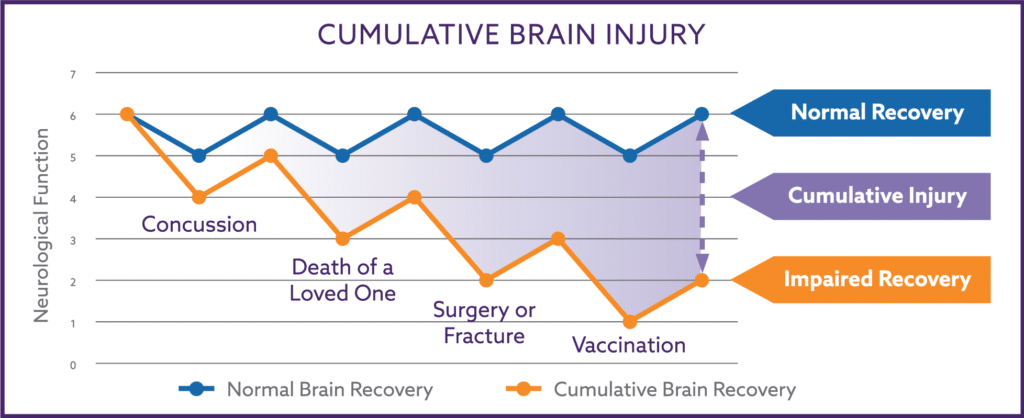
In many people, the nervous system repairs itself after these events. The problem arises when persistent inflammation prevents normal recovery. Repeated injuries can then accumulate over time, leaving the autonomic nervous system progressively less able to regulate the body normally.
The Role of Persistent Inflammation
The brain has far more repair capacity than we once believed. It can form new neural connections, repair damaged structures, and adapt after injury. However, those repair systems must operate in the right biological environment.
Persistent inflammation can interfere with those recovery mechanisms. Instead of the inflammatory response turning on briefly after an injury and then shutting off, some people remain in a chronic inflammatory state. In my experience, this can prevent the nervous system from completing the repair process.
This is why my approach to POTS focuses less on trying to directly force the autonomic nervous system to behave normally and more on reducing the inflammatory burden that may be preventing it from recovering.
My Treatment Framework for POTS
The goal of treatment is to reduce inflammation sufficiently so that the nervous system’s own repair mechanisms can function more effectively. I generally approach this from several directions at the same time.
1. Addressing Small Intestinal Bacterial Overgrowth
Abnormal bacterial overgrowth in the small intestine can be a significant source of systemic inflammation. Depending on the individual patient, I may use rifaximin or other components of the Nemechek Protocol to help restore a healthier balance within the small intestine and reduce this inflammatory stimulus.
2. Rebalancing Omega-3 and Omega-6 Fatty Acids
Omega-3 fatty acids are involved in the body’s natural mechanisms for regulating and resolving inflammation. I use fish oil to increase omega-3 intake and extra-virgin olive oil to help counterbalance the inflammatory effects associated with excessive omega-6 vegetable oil exposure.
3. Supporting Vagal Function
In adults with significant POTS, I frequently incorporate transcutaneous vagus nerve stimulation. The vagus nerve plays an important role in both autonomic regulation and inflammatory control. Supporting vagal activity can therefore be an important part of restoring more normal autonomic function.
4. Allowing the Nervous System to Repair Itself
The purpose of these interventions is not to directly “fix” damaged neurons. Instead, the objective is to reduce the inflammatory forces that interfere with repair and create an environment in which the brain and autonomic nervous system can recover more normally.
Recovery Is Often Gradual
Improvement from POTS and autonomic dysfunction is generally gradual rather than immediate. As inflammation falls and neurological repair progresses, patients may notice improvement in standing tolerance, heart-rate control, stamina, headaches, cognitive function, anxiety-like sensations, and overall resilience.
The important point is that persistent POTS symptoms do not necessarily mean that the nervous system is permanently damaged. The autonomic nervous system has substantial capacity for recovery. By identifying and reducing the factors that interfere with that recovery, it may be possible to help the nervous system regain more normal function over time.
“`