Long COVID, POTS, and Autonomic Nervous System Dysfunction
For many people, recovering from the initial COVID infection is only the beginning. Weeks or months after the fever, respiratory symptoms, and other acute symptoms have resolved, a substantial number of patients develop new or persistent problems that are now collectively referred to as Long COVID. Among the most common and disabling of these problems are lightheadedness, weakness, headaches, exercise intolerance, rapid heart rate, low blood pressure, and difficulty tolerating standing.
Many of these symptoms reflect dysfunction of the autonomic nervous system—the part of the nervous system that automatically regulates blood pressure, heart rate, circulation, digestion, hormones, immune activity, temperature control, and many other functions. When this system is injured or impaired, patients may develop orthostatic intolerance, meaning they feel poorly when upright; orthostatic hypotension, where blood pressure falls excessively; or Postural Orthostatic Tachycardia Syndrome (POTS), where heart rate rises dramatically after standing.
One of the most important lessons emerging from Long COVID is that these problems are not limited to people who were severely ill during their original infection. Autonomic symptoms can develop even after relatively mild or minimally symptomatic COVID. In my clinical experience, persistent inflammation appears to be an important factor preventing the autonomic nervous system from recovering normally. Rather than simply waiting and hoping the symptoms disappear, I believe it is important to address the inflammatory processes that may be continuing to interfere with neurologic repair.
Why Long COVID Can Affect Blood Pressure and Heart Rate
Maintaining normal circulation when we stand requires rapid and precise adjustments by the autonomic nervous system. Blood vessels must constrict appropriately, blood pressure must be maintained, and heart rate must adjust just enough to keep adequate blood flowing to the brain. When these regulatory mechanisms are impaired, standing can cause inadequate cerebral blood flow and trigger symptoms such as dizziness, fatigue, brain fog, headache, weakness, and anxiety-like sensations.
In some patients, the heart attempts to compensate by beating much faster. A resting heart rate in the 70s may suddenly increase to 120, 130, or 140 beats per minute when upright. This excessive compensatory response is characteristic of POTS. Other patients primarily experience abnormally low blood pressure, while some experience combinations of these abnormalities.
These symptoms are often misunderstood because routine cardiac and neurological testing may not reveal an obvious structural abnormality. The problem is frequently one of regulation rather than simply damage to the heart itself. The autonomic nervous system is not controlling circulation appropriately.
The Role of Persistent Inflammation
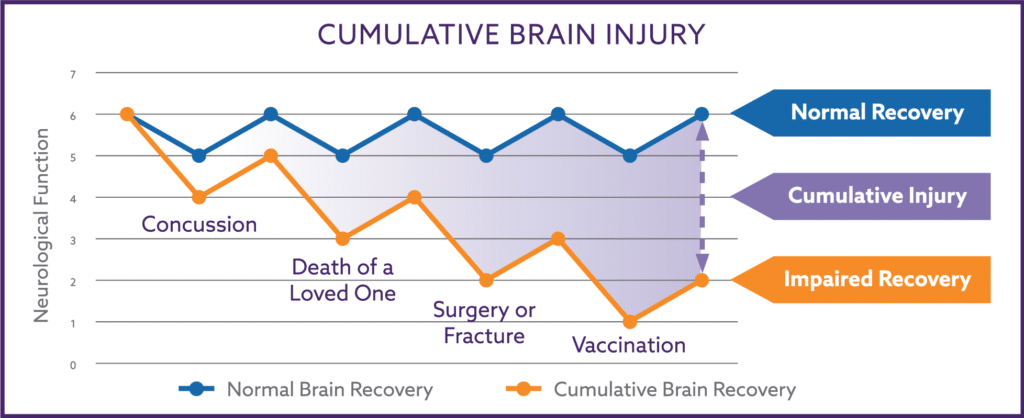
My approach to Long COVID is based on the concept that persistent inflammation can interfere with the nervous system’s natural repair mechanisms. The brain and autonomic nervous system have a remarkable capacity for recovery, but that recovery depends upon the biological environment in which those repair processes are occurring.
One area of particular concern after COVID is the intestinal tract. COVID can produce significant disruption of the intestinal lining and contribute to increased intestinal permeability. This may allow inflammatory signals originating in the gastrointestinal tract to continue entering the circulation long after the acute infection has resolved.
When systemic inflammation remains elevated, the nervous system may have difficulty completing the repair process. This helps explain why some patients continue to experience autonomic symptoms months after their original infection and why, in some individuals, symptoms may gradually worsen rather than simply disappear with time.
My Treatment Framework for Long COVID and Autonomic Dysfunction
The goal of my treatment approach is not simply to suppress individual symptoms. Instead, I focus on reducing the sources of inflammation that may be preventing the autonomic nervous system from recovering. Several components are commonly used together because they address different contributors to the inflammatory process.
1. Addressing Small Intestinal Bacterial Imbalance
Abnormal bacterial overgrowth in the small intestine can be an important source of systemic inflammation. Depending upon the individual patient, I may use rifaximin or inulin as part of a strategy to restore a healthier balance within the small intestine and reduce this inflammatory stimulus.
2. Supporting Repair of the Intestinal Lining
Because COVID can damage the intestinal lining and increase intestinal permeability, I commonly use L-glutamine as part of the Long COVID treatment framework. The objective is to support repair of the intestinal barrier and reduce the continued passage of inflammatory substances from the intestinal tract into the circulation.
3. Rebalancing Omega-3 and Omega-6 Fatty Acids
The balance between omega-3 and omega-6 fatty acids influences how the body regulates inflammation. I use fish oil to increase omega-3 fatty acids and extra-virgin olive oil as part of a strategy to reduce the inflammatory effects associated with excessive omega-6 vegetable oil exposure.
4. Vagus Nerve Stimulation
In adults with significant autonomic dysfunction or POTS, I frequently incorporate transcutaneous vagus nerve stimulation. The vagus nerve plays an important role in both autonomic regulation and control of inflammation. Supporting vagal activity can therefore be an important component of restoring more normal autonomic function.
The Goal Is to Allow the Nervous System to Recover
The central principle behind this approach is relatively straightforward: reduce the inflammatory burden and create an environment in which the nervous system’s own repair mechanisms can function more effectively.
Improvement is generally gradual rather than immediate. As inflammation falls and autonomic regulation begins to recover, patients may notice progressive improvement in standing tolerance, heart rate control, blood pressure, stamina, headaches, cognitive function, and overall resilience.
Long COVID-associated POTS and orthostatic intolerance are real physiological disorders. For patients who continue to experience dizziness, rapid heart rate, low blood pressure, fatigue, headaches, or exercise intolerance after COVID, autonomic nervous system dysfunction should be considered as a potential explanation.
“`