Many people start treatment for small intestinal bacterial overgrowth (SIBO) expecting a one-time “cure.” In this video, Dr. Patrick Nemechek emphasizes a different way to think about it: in his clinical experience, SIBO management is often about controlling the pattern until the next relapse, rather than eliminating it permanently.
He also describes why remission after an antibiotic course can still be a success—even if symptoms return months or years later. In this framework, recurrence doesn’t automatically mean the prior treatment “failed”; it may reflect that the underlying tendency toward relapse is still present.
Control vs. cure: how Dr. Nemechek frames SIBO treatment expectations
Dr. Nemechek explains that when patients are treated for SIBO with rifaximin (brand name Xifaxan) or other approaches, it’s often not comparable to treating a single, discrete infection that is fully eradicated and cannot return. He contrasts SIBO with examples like Giardia or H. pylori, where—after successful treatment—“the organism is gone” and it “can’t come back because it ain’t there.”
Instead, in his simplified explanation, SIBO involves “normal bacteria in the wrong place.” He describes bacteria families that normally reside in the colon and, under certain circumstances, overgrow in the small intestine. From this viewpoint, even after a successful treatment course that brings symptoms down and improves how a patient feels, the potential source organisms still exist in the colon—so relapse remains possible.
Why remission can last—and why relapse can still happen later
In Dr. Nemechek’s clinical description, a typical pattern is that someone receives a 10–14 day course of rifaximin. This can bring symptoms under control. If symptoms have not been severe or haven’t been present for a long time, he says the patient may remain in a better state for “a few months or a couple years.”
But then, “something will happen and it comes back.” Dr. Nemechek tells his patients to expect that it can return and to avoid interpreting relapse as proof that the initial therapy didn’t work. In his framing, if rifaximin truly doesn’t work, the patient wouldn’t feel better at all. If it does work and the patient feels good for a period of time, then relapse later may reflect a new trigger rather than a lack of efficacy during the prior episode.
A key relapse driver in this video: slow intestinal motility
One of the main points Dr. Nemechek highlights is what he considers a primary factor behind spontaneous relapses—meaning relapses that occur without an obvious precipitating event such as intestinal surgery or “real potent antibiotics.” In the framework discussed in the video, relapse can be “a function of slow intestinal motility.”
He describes motility as a recurring vulnerability: when the intestinal tract slows down, “boom”—the person can end up “back you go with SIBO again.” In this interpretation, SIBO recurrence is tightly linked to shifts in gut movement rather than being a one-time pathogen eradication problem.
Triggers he says can slow motility
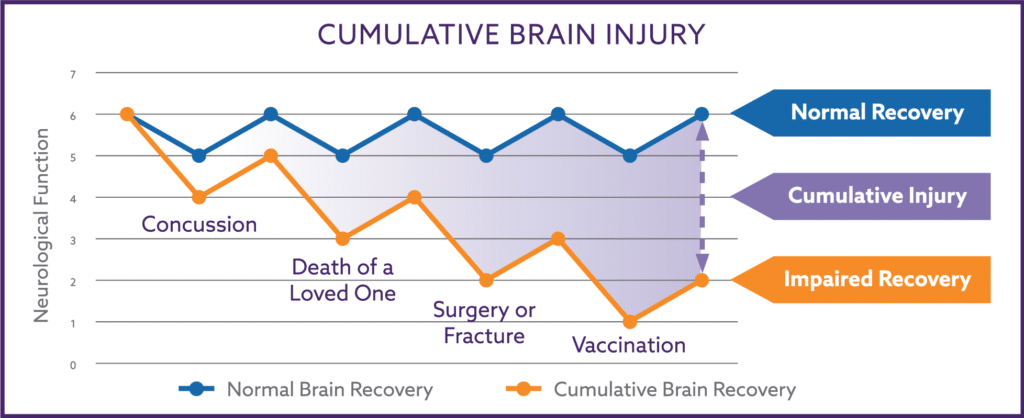
Dr. Nemechek lists several categories of events that, in his clinical interpretation, can slow the intestinal tract and precipitate relapse. He frames these as examples of stressors or traumas that may contribute to reduced motility, including:
- Mild brain trauma, such as a mild head injury
- Emotional trauma
- Inflammatory trauma, which he says can include “a SIBO,” and he also mentions “even a vaccine”
- Fracture, which he describes as causing an inflammatory trauma
He emphasizes that these types of triggers can set up a relapse even when there is no major, obvious gastrointestinal event.
Why SIBO may have become more common (what’s known vs. what’s suspected)
Dr. Nemechek shares his observation that, based on his reading of data, he believes something changed over time: “my best guess is somewhere in the 70s and 80s this started breaking down and you ended up with SIBO.” He also notes that SIBO can be seen in certain conditions, and gives the example that in advanced liver disease (where someone might need a liver transplant), developing SIBO can be very serious and “a condition that can kill patients.”
He adds that he is “suspicious” that vegetable oils could be contributing to inflammatory damage affecting neurological mechanisms in the small intestine—while also clearly stating, “we don’t know.” He also mentions that there is “some evidence” that greater consumption of highly processed foods is associated with greater incidence of SIBO, but again underscores uncertainty about causation.
Practical takeaway: how to interpret symptom return after rifaximin
Dr. Nemechek’s main message is about mindset and expectations. If someone takes rifaximin and feels good for a few months, he says that indicates it worked. If symptoms come back later, he frames that as a relapse likely driven by motility changes or a new trigger—not proof that the original course was pointless.
In his approach, SIBO is best understood as a condition that may require repeated “control therapy” when it recurs, rather than a one-and-done cure.
Educational medical disclaimer: This article summarizes points from a video by Dr. Patrick Nemechek and is for general education only. It is not medical advice and is not a substitute for individualized diagnosis or treatment. If you have symptoms consistent with SIBO or recurring gastrointestinal symptoms, consult a qualified clinician for evaluation and care.