In clinic, Dr. Patrick Nemechek says it’s common for families to come in to discuss a child’s concerns (such as ADHD) and then, near the end of the visit, ask a bigger generational question: “One of their parents had Alzheimer’s or Parkinson’s— is there a way to prevent that from happening?”
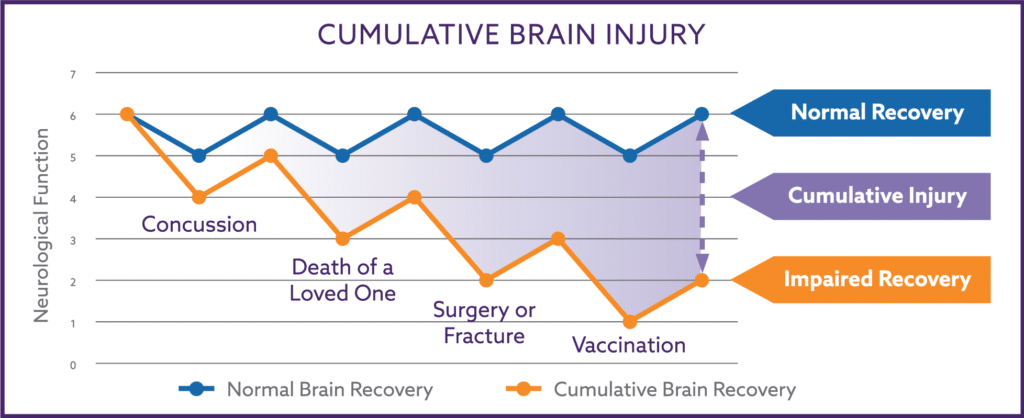
In this video (published 2024-04-05), Dr. Nemechek offers his clinical interpretation: Alzheimer’s and Parkinson’s are “inflammatory disorders,” and in his framework they are “triggered by inflammation and driven by inflammation.” Based on that perspective, he explains why he believes prioritizing lower inflammation may help with prevention—and he also shares observations from his practice, including that some patients with Alzheimer’s or Parkinson’s have done “dramatically well,” with some Alzheimer’s patients he describes as having “literally fully recovered.”
Important note: The discussion reflects Dr. Nemechek’s framework and clinical observations. It is not presented as a universal guarantee, and it should not replace individualized medical evaluation and care.
Dr. Nemechek’s central idea: neurodegenerative conditions as inflammation-driven
Dr. Nemechek frames Alzheimer’s and Parkinson’s as conditions that, in his view, are closely tied to chronic inflammation. He also comments that these disorders “didn’t happen often before 1900,” and connects that change to what he describes as an “inflammatory food supply” along with “other factors.”
Within this framework, the prevention strategy he emphasizes is straightforward in principle: work on “keeping your inflammation lower.” He states that doing so “would go a long way” toward preventing these conditions.
What he reports seeing clinically
Dr. Nemechek shares that he has had “maybe a dozen” patients in his clinic with Alzheimer’s and Parkinson’s who, after following his approach, have done “dramatically well” and “improved a great deal.” He also says that some Alzheimer’s patients “literally fully recovered.”
These are clinical practice observations as he describes them in the video (not a claim that outcomes will be the same for everyone). They help explain why he encourages families to focus on inflammation reduction when they’re thinking about long-term neurologic health.
How Dr. Nemechek says to lower inflammation in his protocol
When asked, “How do you lower inflammation?”, Dr. Nemechek answers that this is what his protocol is “all about.” In the video, he highlights several core components.
1) Daily olive oil (and why quality matters in his approach)
Dr. Nemechek recommends 2 tablespoons of olive oil every day. He explains this as a way to help “block” inflammatory exposure related to vegetable oils. In his description, certain vegetable oils (he specifically mentions soybean oil and corn oil) are “bad for you,” and he adds that if livestock are fed soybeans and corn, a “constituent of that oil” can be present in the meat and also be inflammatory. In his framework, olive oil “will protect you from all of that.”
He strongly emphasizes that it must be good, real olive oil, noting that there is “subpar potentially even fraudulent olive oil in the market.” For sourcing, he recommends using California Olive Oil Council (COOC) certified oils (he notes you can see certification on the back label and find information online).
2) Fish oil with high DHA for brain penetration
Next, Dr. Nemechek recommends a good fish oil—and clarifies that “good” does not necessarily mean “expensive.” A key point in his guidance is choosing a fish oil that can “penetrate the brain,” which he ties to using a high-DHA formulation.
He explains that high-concentration fish oil contains DHA and EPA, and that DHA is the main fraction that gets in the brain. He describes omega-3s as molecules that help “turn off inflammation,” and therefore emphasizes getting an “ample amount of DHA.”
In the video, he mentions specific product examples he recommends: DHA 500 by Now Foods, “the Nordic brands,” and his own NIMC Silver brand described as a high-DHA liquid formulation.
3) Balancing the intestinal tract (and his cautions about probiotics)
Dr. Nemechek also describes working on balancing the intestinal tract bacteria as part of lowering inflammation. He states that, in his view, you “can’t do it with probiotics” and says, “don’t do that.”
He adds that inulin “might help some,” but says it “doesn’t help so much in adults as it does in children,” noting that it’s “great in children.”
For most adults, he says they will need a gut-balancing antibiotic he calls Rifaximin (pronounced in the transcript as “relaxman/rxman”). He further states that “all other antibiotics don’t balance your gut,” and that rifaximin “pretty much is the only one” he describes as being shown to help balance the gut.
What he says this approach may support beyond Alzheimer’s and Parkinson’s
In Dr. Nemechek’s framing, lowering inflammation is a broad health strategy, not a narrow neurologic one. He states that keeping inflammation “real low” may lower risk not only for Alzheimer’s and Parkinson’s, but also “probably” lower risk for diabetes, cancer, heart disease, strokes, autoimmune disorders, and may help “a bunch of your achy joints quit aching.”
Putting the video’s message into one takeaway
Dr. Nemechek’s takeaway is direct: “It’s all about inflammation.” In his clinical framework, focusing on lowering inflammation—using daily olive oil, a high-DHA fish oil, and gut-balancing strategies—supports both near-term well-being and long-term neurologic preservation.
Educational medical disclaimer: This article summarizes statements and clinical perspectives shared by Dr. Patrick Nemechek in a YouTube video and is for educational purposes only. It is not medical advice and is not a substitute for diagnosis or treatment from your physician. Do not start, stop, or change supplements or prescription medications (including antibiotics) without medical guidance, especially if you have neurologic symptoms or concerns about Alzheimer’s or Parkinson’s.