In this clinical discussion, Dr. Patrick Nemechek describes postural orthostatic tachycardia syndrome (POTS) as an injury to the autonomic nervous system. In his framework, POTS involves a combination of autonomic problems that can produce low blood pressure to the brain along with an exaggerated heart rate response.
He also emphasizes that, in his clinical interpretation, persistent or worsening symptoms often reflect an abnormal level of ongoing inflammation that interferes with the body’s ability to recover through its “natural brain repair and rejuvenation mechanism.” One tool he highlights for addressing this inflammatory component is vagus nerve stimulation (VNS), alongside other measures he commonly uses in combination.
Want to Learn More About POTS and Autonomic Dysfunction?
Download Dr. Nemechek’s free POTS/PANS/PANDAS eBook for a deeper explanation of autonomic dysfunction, inflammation, and recovery.
Educational medical disclaimer: This article summarizes a single video and reflects Dr. Nemechek’s clinical views as presented there. It is not medical advice and is not a substitute for diagnosis or treatment from your own clinician.
How Dr. Nemechek describes POTS symptoms
Dr. Nemechek explains that most injuries to the autonomic nervous system can lead to low blood pressure to the brain. In the video, he lists common symptoms people may experience when they stand, including:
- Lightheadedness
- Headaches
- Fatigue
- Dizziness
- Brain fog
What distinguishes POTS in his explanation is a second injury component: impaired compensation by the heart for the low blood pressure. He contrasts a typical compensation response—where heart rate may rise to around 90–110—with POTS, where heart rate may “bounce up” substantially higher (he cites ranges such as 140–160), leaving people feeling as though their heart is pounding or “going to burst out” of their chest.
Injury patterns he says can precede POTS
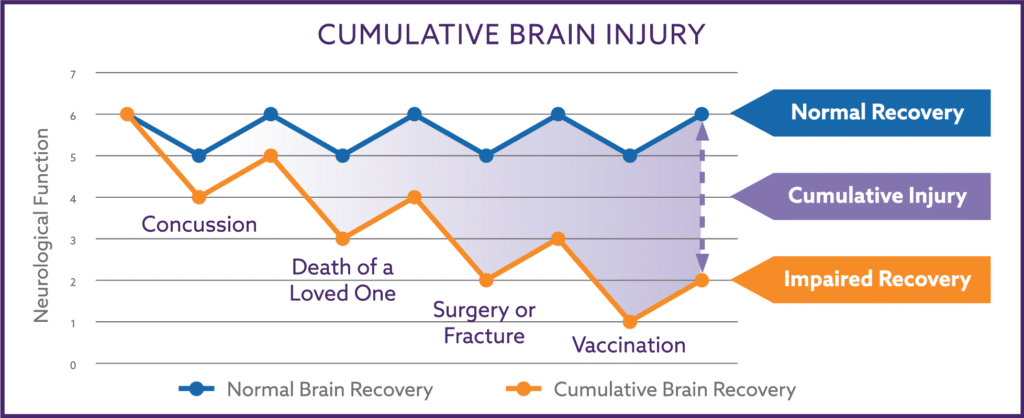
In the video, Dr. Nemechek notes that autonomic injuries do not necessarily require loss of consciousness. He describes POTS as potentially arising after a “multitude of injuries,” sometimes with one final event that pushes someone “over the edge.” Examples he mentions include:
- Physical head injuries: concussions and injuries that do not meet concussion criteria.
- Subconcussive injuries: he gives the example of heading a soccer ball as something he says can damage neurons in the brain.
- Inflammatory surges: which he describes as common in COVID long haulers, and also potentially occurring after pregnancy/birth, surgery, fractures, and other events.
- Emotional trauma: which he connects to what he calls a “takos subu event” in the video.
He adds that if the body has normal low levels of inflammatory stress, people typically recover over weeks to a few months. In his clinical interpretation, when POTS symptoms do not resolve (and may worsen), it reflects an abnormal, chronic inflammatory state that prevents normal recovery.
Why he discusses vagus nerve stimulation for POTS
Dr. Nemechek frames the vagus nerve as a key pathway carrying information from the parasympathetic branch of the autonomic nervous system. In his explanation, this pathway is also “one of the major conduits to regulate inflammation.”
He describes using a vagus nerve stimulator with the goal of increasing the body’s ability to lower inflammation. In the video, he references a study using transcutaneous auricular vagus nerve stimulation—meaning stimulation through the skin at the ear. He characterizes the reported outcomes as “very impressive,” including improvements in POTS-related blood pressure and heart rate aspects, along with reductions in inflammatory measures in the bloodstream.
His combination approach: VNS plus gut and dietary fat strategies
Dr. Nemechek emphasizes that he does not use vagus nerve stimulation alone. In the framework presented in the video, he describes additional sources that may need to be addressed, and outlines a combination he commonly uses:
1) Balancing gut bacteria
He specifically mentions addressing “excess bacteria in the small intestines,” and states that he uses rifaximin for that purpose.
2) High-DHA omega-3 fish oil
He describes supplementing with a high-DHA concentration omega-3 fish oil. In his explanation, omega-3s are converted into “natural molecules” the body needs to turn off inflammation—part of the body’s “natural off switch” for inflammation—and he states people need more of that support.
3) Olive oil to counter inflammation-promoting dietary fats
He also describes using olive oil to block inflammation-promoting aspects of linoleic acid from vegetable oils and processed/commercial foods (he also mentions phytic acid in commercialized foods). In his clinical approach as described, olive oil is used to “negate” those effects.
He summarizes this as a combined program where people are on fish oil, olive oil, rifaximin, and vagus nerve stimulation.
What he reports about recovery and tapering
In the video, Dr. Nemechek states that with this combined approach, “the vast majority of people recover very nicely.” He notes that timelines can vary—he mentions it may take 6 to 12 months depending on how severe symptoms are and other health aspects—and he characterizes progress as gradual and continual improvement over time.
He also notes that, in his experience, once people reach the later stage of recovery, most do not need vagus nerve stimulation and most do not need rifaximin all the time. He says he counsels people that continuing olive oil and fish oil may be helpful long-term, describing this as related to problems with the food supply.
Next steps he mentions
Dr. Nemechek notes that people interested in care can come to Arizona for help and also mentions his book, The Nemechek Protocol, which he says covers ADD, POTS, PANDAS, dyslexia, and emotional dysregulation.