In this clinical overview, Dr. Patrick Nemechek discusses how he thinks premenstrual syndrome (PMS) and severe menstrual cramping (which he refers to as “dispara” in the video) can be related to autonomic dysfunction and bacterial overgrowth—particularly SIBO (small intestine bacterial overgrowth). He also outlines what he reports observing in his practice when gut bacterial balance and autonomic recovery are addressed together.
This article summarizes the specific points made in the video and should be read as a description of Dr. Nemechek’s framework and clinical observations—not as universal medical consensus.
PMS in Dr. Nemechek’s framework: blood-pressure regulation to the brain
Dr. Nemechek starts with a mechanism he associates with autonomic dysfunction: difficulty regulating blood pressure to the head. In the video, he distinguishes between how this regulation typically works in men versus women. He states that in men, autonomics “pretty much” do the regulation, while in women it is a combination of autonomic function and progesterone’s influence on pressure in the brain.
In his description, a key time window is the premenstrual period when progesterone levels begin to drop. He explains that if the autonomic nervous system is healthy, it compensates by increasing pressure to keep things normal, and a person “shouldn’t notice anything.”
But if there is autonomic dysfunction, he says the compensatory response does not occur. As progesterone drops, he describes symptoms that can emerge in that “low pressure” phase, including:
- Headaches
- Tiredness
- Feeling anxious or irritable
- Feeling hungry
He characterizes PMS as a repeated fluctuation—“down and up, down and up”—with symptoms appearing during the down phase until progesterone “comes back up” and the person feels better.
What he attributes autonomic injury to—and what he says prevents recovery
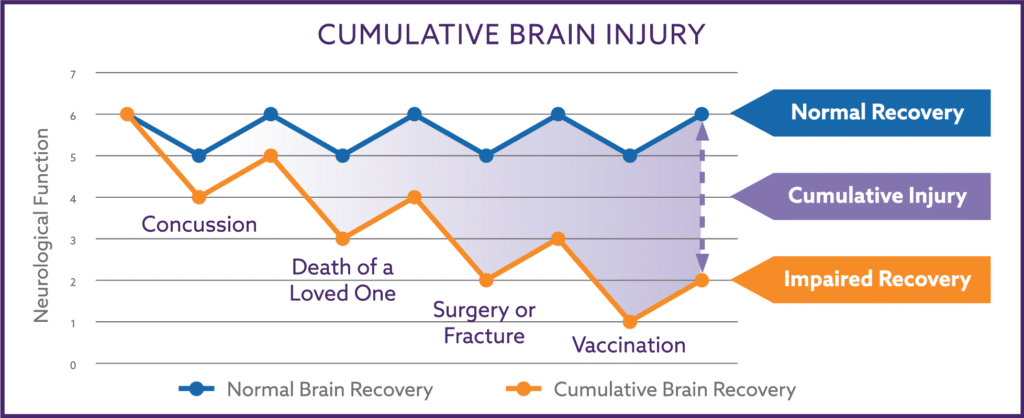
Dr. Nemechek attributes the underlying autonomic dysfunction to injury that “didn’t recover fully.” In the video, he lists categories of injury he believes can contribute to that damage, including physical factors, emotional trauma, and inflammatory traumas.
He then explains what he believes can keep the autonomic nervous system from recovering: ongoing inflammation, with a primary source being SIBO (small intestine bacterial overgrowth). In his clinical interpretation, bacterial overgrowth drives inflammation that interferes with recovery after an autonomic injury.
Severe menstrual cramps: Dr. Nemechek’s long-standing clinical observation
Dr. Nemechek also connects SIBO with severe menstrual cramping. He states that over “many, many years” he has observed that when women address SIBO—specifically, in his words, using “rifaximin to control SIBO”—menstrual cramps can become “minimal to nothing” within about one to two months.
He describes an example severity level: cramps that were previously bad enough that someone might miss school or work. In the video, he says improvement is “usually about two cycles,” and women report that cramps are “just so much better” and may not bother them “really at all.”
In his framework, the same SIBO-driven inflammation he describes as interfering with autonomic recovery is also involved in severe cramping—and also relates back to the autonomic injury he associates with PMS symptoms.
Night sweats and “hormonal” assumptions
Dr. Nemechek adds one additional symptom pattern he links to SIBO: nighttime “drenching sweats.” He notes that sometimes women interpret these as hormonal, but in the video he attributes them to SIBO and says they can improve “very quickly” when SIBO is addressed.
Protocol elements he lists: gut balance plus autonomic recovery
In the video, Dr. Nemechek outlines a sequence he uses clinically:
- Balance gut bacteria—he specifically mentions one or a couple rounds of rifaximin for SIBO in order to stop menstrual cramping within one to two months and to resolve night sweats quickly (as he describes it).
- Use other components of his protocol—he lists: high-dose DHA fish oil, olive oil, and about five minutes per day of “vagus nerve stimulation.” He also references NSAID use in the same sentence.
He then states that with these steps, the “autonomics recover” and the PMS symptoms go away. He emphasizes that in his practice experience, PMS and severe menstrual cramps are “super common” and (in his words) “fully reversible,” adding that they address this “all the time.”
When to seek care
Severe menstrual pain, new or worsening symptoms, or symptoms that interfere with daily functioning warrant medical evaluation. If you’re considering any approach to SIBO, supplements, NSAIDs, or vagus nerve stimulation, discuss it with a qualified clinician who can account for your history and medications.
Want to Learn More About POTS and Autonomic Dysfunction?
Download Dr. Nemechek’s free POTS/PANS/PANDAS eBook for a deeper explanation of autonomic dysfunction, inflammation, and recovery.
Educational medical disclaimer: This article summarizes a single video’s discussion and reflects Dr. Nemechek’s framework and clinical observations. It is not medical advice, and it is not a substitute for individualized diagnosis or treatment by your healthcare professional.