Relapse after treating small intestinal bacterial overgrowth (SIBO) can be discouraging—especially when a short course of rifaximin leads to noticeable improvement, only for symptoms to return weeks or months later. In this video, Dr. Patrick Nemechek shares how he thinks about SIBO relapse clinically, and how he separates “expected” relapse patterns from relapses driven by specific triggering events.
Importantly, he emphasizes that relapse doesn’t necessarily mean rifaximin “didn’t work.” In his experience, many patients feel improvement within the first couple of weeks—often in gastrointestinal symptoms and sometimes in associated autonomic symptoms (such as less lightheadedness, less intense headaches, or a drop in anxiety intensity). The question then becomes: why does it come back in some people?
This article summarizes the framework Dr. Nemechek describes for understanding relapse timing, identifying your symptom pattern, and interpreting what relapse may signal about underlying small-intestinal motility.
Rifaximin response vs. relapse: how Dr. Nemechek frames success
Dr. Nemechek describes rifaximin as “very effective,” sharing his clinical observation that a large proportion of patients (he cites 80–90%) get a “great response.” He notes that improvement can be fairly quick:
- GI symptoms may feel better within the first couple of weeks.
- Some autonomic symptoms—such as being “not quite as lightheaded” and having headaches that “aren’t quite as bad”—may improve within the first couple of weeks (even if they do not disappear).
- Anxiety intensity may drop (he gives an example of about a third) for some people.
Using an analogy, he explains that when rifaximin clears the excess bacteria from the small intestine, it’s like “getting rid of the fish where the birds are.” In other words, if the overgrowth is reduced, a cluster of symptoms may improve quickly. In his clinical interpretation, that early symptom shift is a key sign that the antibiotic is doing what it’s intended to do.
Two broad relapse categories: “reasonable” triggers vs. spontaneous relapse
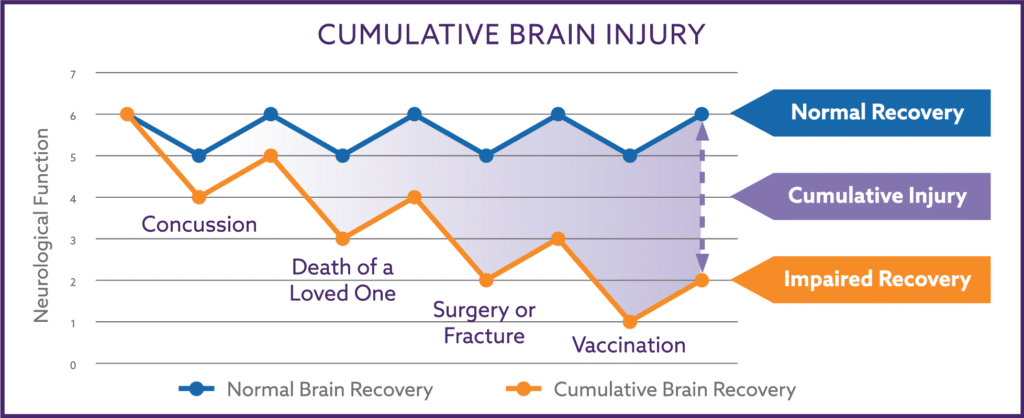
Dr. Nemechek says he considers relapse in two ways. The first is whether there is a reasonable, attributable trigger—something that could slow intestinal transit and set the stage for bacterial overgrowth again. Examples he lists include:
- Abdominal surgery
- General anesthesia
- Brain trauma (significant head injury)
- Emotional trauma
- Inflammatory trauma
In his description, these events can cause a temporary slowing of the gut, including the small intestine, and then “boom,” bacterial overgrowth can recur.
The second category is what he calls spontaneous relapses—when symptoms return without any clear precipitating event and patients are left thinking, “What happened? Why did this happen?” In the framework he discusses, these relapses are often tied to a baseline problem that existed before treatment: slow small-intestinal motility, which he says is “most likely” related to prior brain injury and persistent inflammation.
Recognizing your “SIBO fingerprint” after treatment
To make relapse easier to identify—and easier to act on—Dr. Nemechek describes what he calls a “SIBO fingerprint”: the particular symptoms that improve within the first week or two of rifaximin. His practical point is that patients should make note of those early improvements.
In his clinical approach, when those same symptoms start creeping back, that pattern can serve as a signal that bacterial overgrowth may be returning—prompting consideration of another rifaximin round under clinician guidance.
Why relapse intervals can change over time (in his clinical observation)
Dr. Nemechek describes an early pattern he used to see: a patient completes a 10-day course of rifaximin, feels better, and then does well for about six weeks before symptoms return. He explains that, in those cases, patients might end up repeating treatment roughly every six weeks at first.
However, he adds an important clinical observation: when “all the other components” are addressed—specifically, he notes the need to get other components in place to control inflammation—the small intestine may start to recover, and motility may gradually improve. In that scenario, he describes relapse intervals stretching out:
- From about every six weeks
- To every 8–10 weeks
- Then to every 4–6 months
He frames this as the interval lengthening as motility improves. He also cautions not to confuse these spontaneous relapse patterns with relapses secondary to an identifiable trigger (such as surgery, anesthesia, or major emotional stress).
A personal example of trigger-associated relapse
To clarify the difference, Dr. Nemechek offers a personal example: he says he doesn’t experience spontaneous relapses at this point. Instead, his relapses occur after an emotional event (for example, the death of a loved one). In his description, within days to a week after the event, he relapses and then takes another 10 days of rifaximin.
Key takeaway: relapse doesn’t automatically mean rifaximin failed
Dr. Nemechek’s central message is that if you experienced the typical improvements in the first week or two, that suggests the treatment is working. In his framework, relapse is often a function of small-intestinal slow motility—either temporarily worsened by a major trigger or persistently present as a baseline issue that needs longer-term attention.
Educational medical disclaimer: This article summarizes a video discussion by Dr. Patrick Nemechek and is for education only. It is not medical advice and is not a substitute for diagnosis or treatment from your personal clinician. If you suspect SIBO relapse or have worsening gastrointestinal or autonomic symptoms, consult a qualified healthcare professional for individualized guidance.